
Tag

Pet Health

Browsing
This post may contain affiliate links, meaning that I may receive compensation if you make a purchase through these links. As an Amazon Associate, I earn from qualifying purchases. This compensation does not influence the content, or recommendations provided. The opinions expressed are my own, and I strive to provide honest and unbiased information.


Pet Shedding — What’s Normal, What’s Not

Pet shedding can be messy, but it’s also a sign of a healthy animal! Learn why your pets shed, how to manage it, and when shedding might mean more than just seasonal change.


Understanding Pet Shedding: Why It Happens

Shedding — it’s the glitter of the pet world. Whether it’s fur, feathers, or scales, all pets lose old body coverings to make way for new ones. And while it might drive you a little crazy during the fall season, it’s actually an essential part of your pet’s health.

The Science Behind Shedding in Pets

At its core, shedding (or molting) is a biological renewal process. Mammals like cats and dogs shed old, damaged hair to allow new growth. Birds molt feathers to keep them lightweight and functional for flight. Reptiles? They shed old skin in one glorious peel to allow for growth or healing.

This process is influenced by hormones, daylight, humidity, and overall health — making it both fascinating and complex.

Shedding vs. Molting: What’s the Difference?

While “shedding” and “molting” are often used interchangeably, they have distinct meanings:

  • Shedding usually refers to hair or fur loss in mammals.
  • Molting describes the replacement of feathers in birds or the shedding of skin in reptiles.

Either way, your pet’s outer layer is saying, “Time for a refresh!”


Seasonal Shedding: Why Fall Is Fur and Feather Season
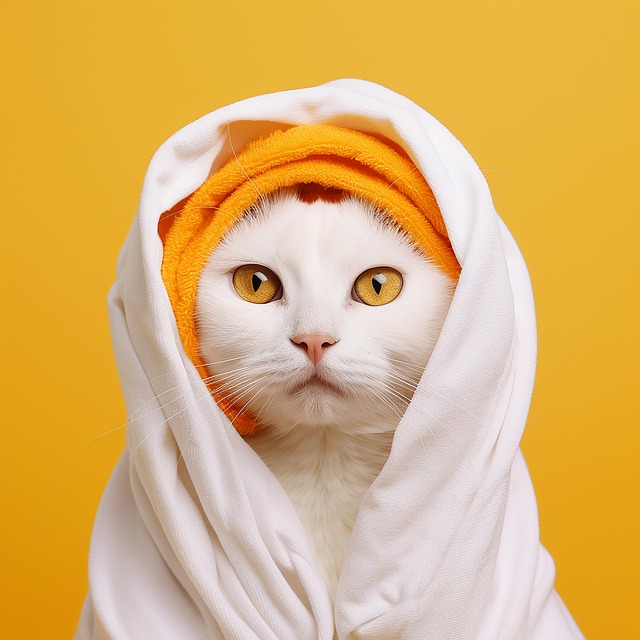
Ai Generated picture of a Cat covered in a towel and scarf
Pet Shedding Causes – Seasonal Weather

Ever wonder why your dog looks fluffier in winter or your gecko sheds more often in autumn? It’s not a coincidence — it’s all about the seasonal cycle.

How Temperature and Daylight Affect Your Pet’s Coat

As daylight hours shorten and temperatures drop, many pets instinctively grow thicker coats or renew their feathers for the colder months ahead. This seasonal rhythm is nature’s way of prepping for comfort and survival.

Common Pets That Shed in the Fall

  • Dogs & Cats: Expect an explosion of fur as summer coats make way for thicker winter layers.
  • Reptiles: Species like snakes and bearded dragons shed old skin as part of their growth and environmental adaptation.
  • Birds: Parrots and cockatiels molt old feathers, making room for a glossy new set to keep them insulated and ready for flight.

Non-Seasonal Causes of Shedding You Shouldn’t Ignore

Not all shedding is seasonal! If your pet’s shedding seems excessive or patchy, something else might be going on.

Stress, Nutrition, and Health-Related Shedding

Changes in routine, anxiety, or nutritional imbalances can trigger abnormal shedding. Low-protein diets or deficiencies in vitamins A, E, and omega fatty acids can dull your pet’s coat and cause unnecessary hair loss.

Parasites, Allergies, and Skin Conditions

Fleas, mites, or allergies can irritate your pet’s skin, leading to scratching and patchy fur loss. Always check for signs like redness, scabs, or frequent itching.

Shedding Due to Hormonal or Environmental Changes

Pregnancy, medication, or changes in lighting and temperature can mess with your pet’s internal clock, causing unexpected shedding or molting patterns.


Managing the Shedding Season Like a Pro

You can’t stop shedding — but you can manage it.

Close up photo of a Parakeet perched on a branch
Pet shedding Causes – Birds Molt feathers for Function and Flight

Best Grooming Practices for Furry Pets

Brushing Tools and Techniques for Less Mess

Invest in a good de-shedding brush or grooming glove to catch loose fur before it hits your furniture. Brushing a few times a week (or daily during peak season) stimulates skin oils and keeps your pet’s coat shiny and healthy.

Shedding Tips for Reptile Owners

For reptiles, ensure proper humidity and provide shedding aids like moist hides or shedding baths. If you notice stuck shed around the eyes or toes, it’s time for a vet visit.

Feather Molt Care for Pet Birds

Feeding a diet rich in protein and amino acids helps feather regrowth. Avoid handling your bird too much during molting, as it can be uncomfortable — think of it as their “bad feather day” phase.


Shedding-Season Survival Gear: Tools You’ll Love

Must-Have Grooming Products for Pet Parents


Cleaning Tools and Hacks for a Fur-Free Home

Use a lint roller, robot vacuum, or air purifier to keep allergens under control. Pro tip: lightly dampen a rubber glove and run it over upholstery to pick up fur in seconds!


When Shedding Becomes a Red Flag

If your pet is losing hair in clumps, has bald patches, or shows behavior changes (like excessive scratching or lethargy), consult your vet. It may indicate:

  • Hormonal disorders (thyroid or adrenal issues)
  • Skin infections
  • Nutrient deficiencies

Early diagnosis ensures your pet stays happy — and less itchy!


FAQs About Pet Shedding

Q1: How often should I brush my pet during shedding season?
A1: For most furry pets, brushing 3–4 times per week keeps shedding under control.

Q2: Can stress cause my reptile to shed more?
A2: Yes! Environmental stress, poor humidity, or diet changes can trigger extra shedding.

Q3: My bird looks scruffy — is that normal?
A3: Yes, during molting! It’s a temporary phase while new feathers grow in.

Q4: Should I bathe my dog more during shedding season?
A4: Once or twice a month with a gentle, moisturizing shampoo is plenty.

Q5: Can shedding signal illness?
A5: Absolutely. Excessive, patchy, or inflamed shedding always warrants a vet check.

Q6: How can I reduce pet hair in my home?
A6: Regular grooming, a lint roller, and HEPA vacuuming will make a world of difference.


Final Thoughts: Embrace the Fluff, Scales, and Feathers!

Shedding is nature’s way of keeping your pet’s coat, feathers, or skin fresh and functional. With a bit of understanding and the right tools, you can navigate the fall shedding season like a pro — and even enjoy those extra cuddle moments (fur and all).

Remember: a shedding pet is a healthy pet — most of the time!


For more information read: Seasonal Pet Care

This post may contain affiliate links, meaning that I may receive compensation if you make a purchase through these links. As an Amazon Associate, I earn from qualifying purchases. This compensation does not influence the content, or recommendations provided. The opinions expressed are my own, and I strive to provide honest and unbiased information.


How to Keep Your Furry Friends Happy & Healthy All Year Round

Learn the best Seasonal Pet Care tips to keep your dogs and cats healthy and happy through every season. From summer heat to winter chills, discover how to adapt your pet’s care routine year-round.


Understanding the Importance of Seasonal Pet Care

Just like humans, pets feel the impact of changing seasons — from springtime allergens to winter chills. Each season brings its own set of joys and challenges, and being proactive about seasonal pet care ensures your furry companions stay comfortable, safe, and thriving all year long.

Seasonal pet care isn’t just about adjusting to weather changes. It’s about anticipating your pet’s needs and creating routines that support their health no matter what the forecast says. Whether you have a fluffy cat lounging indoors or an adventurous pup who loves exploring the outdoors, seasonal awareness is key to keeping tails wagging and whiskers twitching.


How Seasons Affect Your Pet’s Health

Every season affects pets differently:

  • Spring: Brings allergens, fleas, and ticks.
  • Summer: Poses heatstroke and dehydration risks.
  • Fall: Means increased shedding and shorter days.
  • Winter: Challenges include frostbite, dry skin, and limited outdoor time.

Understanding these patterns helps you adapt your care routine accordingly.


Spring Pet Care Tips: Allergies, Fleas & Fun in the Sun

Managing Spring Allergies in Pets

If your pet’s been scratching more than usual, it could be spring allergies. Common culprits include pollen, grass, and mold spores. Try wiping your pet’s paws and fur after walks and consult your vet for antihistamines or medicated shampoos if symptoms persist.

Preventing Fleas, Ticks, and Parasites

Spring is flea and tick season. Use vet-approved preventives, keep your yard trimmed, and regularly wash your pet’s bedding. Prevention is much easier than dealing with a full-blown infestation later.

Safe Outdoor Adventures

Springtime adventures are fun, but safety first! Keep pets on a leash in new areas, avoid stagnant water, and always pack fresh water and snacks for outdoor play.


Summer Pet Care Tips: Beating the Heat Safely

Close up photo of a Dog biting a Garden hose
Seasonal Pet Care – Keep Pets Hydrated during the Summer months

Keeping Pets Hydrated and Cool

Hydration is crucial in summer. Provide fresh water at all times and add ice cubes for a cooling treat. Cooling mats and shaded rest spots can help keep your pet comfortable during hot days.

Avoiding Heatstroke and Burnt Paws

Hot pavement can burn your pet’s paws in seconds. Walk them early in the morning or late evening and always test the pavement with your hand first. Signs of heatstroke include excessive panting, drooling, and lethargy — if you notice these, act fast and contact your vet.

Traveling with Pets in Summer

Never leave pets in a parked car, even for a few minutes. If you’re going on a trip, pack a travel kit with water, food, first-aid supplies, and familiar toys to keep your pet calm and comfortable.


Fall Pet Care Tips: Comfort, Nutrition & Transitioning

Adjusting Diet and Exercise Routines

As temperatures drop, your pet might need more calories for warmth or less activity depending on breed and size. Talk to your vet before making major diet changes.

Prepping for Shedding Season

Autumn often brings heavy shedding. Regular brushing helps manage fur and keeps your home cleaner while promoting healthy skin and coat.

Outdoor Safety During Shorter Days

With earlier sunsets, evening walks require extra visibility. Reflective collars, LED leashes, and pet-safe vests are simple ways to keep your pet visible and safe.


Winter Pet Care Tips: Keeping Cozy and Safe Indoors

Close up photo of a Cat waist deep in Snow
Seasonal Pet Care- Keep Pets Warm and Protect those Paws

Protecting Paws from Ice and Salt

Ice melt and road salt can irritate your pet’s paws. Use paw balms, boots, or rinse their feet after walks to prevent cracking and discomfort.

Maintaining Indoor Warmth and Comfort

Create a warm sleeping spot away from drafts. Smaller or short-haired pets may benefit from a cozy sweater or blanket during chilly nights.

Boosting Immunity During Cold Months

Winter can weaken your pet’s immune system. A balanced diet, regular vet checkups, and indoor playtime keep their health strong through the coldest months.


Year-Round Pet Care Essentials

Regular Vet Visits and Vaccinations

Routine checkups can catch issues early. Stay on top of vaccinations, heartworm prevention, and dental cleanings to maintain your pet’s overall health.

Grooming and Hygiene Tips

Grooming isn’t just about looks — it prevents matting, reduces shedding, and helps detect skin problems early. Make brushing a bonding experience!

Emotional and Mental Stimulation

Boredom can lead to behavioral issues. Rotate toys, teach new tricks, or create mini-indoor agility courses to keep your pet’s mind active.


FAQs About Seasonal Pet Care

Q1: How often should I change my pet’s care routine with the seasons?
At least four times a year — adjust diet, grooming, and exercise habits based on temperature and daylight changes.

Q2: Do indoor pets need seasonal care too?
Yes! Indoor temperature and humidity shifts can affect skin, fur, and hydration.

Q3: What’s the best way to keep pets cool in summer?
Provide shade, constant water, and cooling mats. Avoid mid-day walks.

Q4: How can I tell if my dog has seasonal allergies?
Watch for excessive scratching, watery eyes, or sneezing. A vet visit can confirm allergies.

Q5: Are sweaters necessary for pets in winter?
Short-haired breeds, small dogs, and older pets often benefit from sweaters during cold walks.

Q6: What’s the most important part of year-round pet care?
Consistency! Regular vet visits, balanced nutrition, and seasonal adjustments are the secret to long-term health.


Conclusion: Building a Year-Round Routine for Your Pet’s Well-being

Seasonal pet care isn’t complicated — it’s about staying aware, being proactive, and showing love through attention to detail. Each season brings new opportunities to strengthen your bond and keep your furry companion feeling their best.

By understanding your pet’s needs and adjusting care routines throughout the year, you’ll ensure they’re not just surviving — but thriving, no matter the weather. 🌤️🐾


External Link:
For more pet wellness tips, visit the American Veterinary Medical Association (AVMA).


For more information on shedding, read: Pet Shedding Causes

Pin It